Heavy Truck Road Assistance: What Services Are Included?

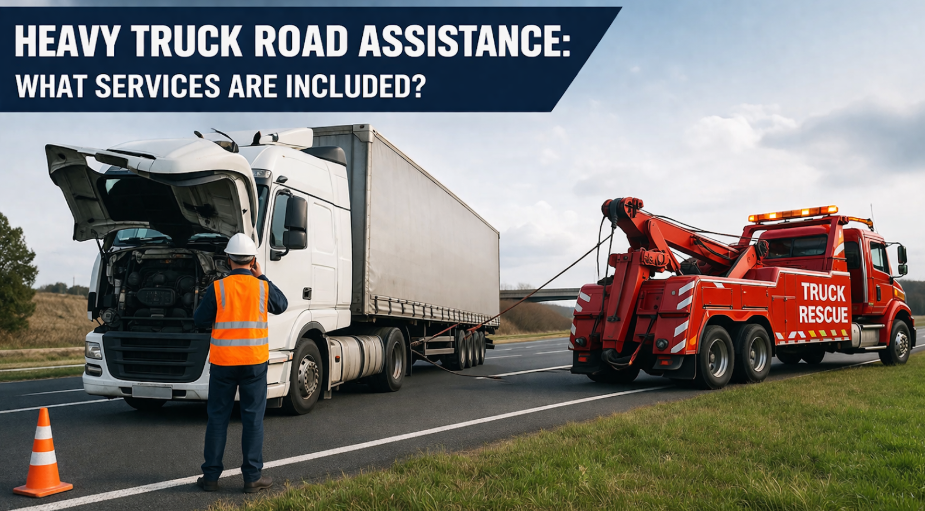
When a heavy truck breaks down on the road, time matters more than ever. Every delay can affect delivery schedules, customer trust, operating costs, and driver safety. That is why professional heavy truck roadside support is not just a useful extra, but an essential service for transport companies and owner-operators. In many emergency situations, fast access to holowanie TIR can be the difference between a manageable setback and a major logistical problem. Understanding what this kind of support includes helps fleet managers and drivers make better decisions when trouble happens far from base.
Why Heavy Truck Assistance Is Different From Standard Roadside Help
Heavy trucks are not like passenger cars. Their size, weight, cargo type, technical systems, and route demands make roadside intervention much more specialized. A standard towing or roadside service often lacks the equipment and expertise needed to handle large commercial vehicles safely.
Heavy truck assistance is designed specifically for vehicles such as tractor units, trailers, semi-trailers, buses, refrigerated trucks, and construction transport vehicles. These services usually operate around the clock and respond to incidents on highways, city bypasses, industrial zones, border routes, and remote stretches of road.
What makes this support unique is the combination of technical knowledge and heavy-duty equipment. Road assistance providers must be ready to deal with mechanical failure, tire damage, electrical faults, immobilized trucks, and even accident recovery. They also need to work fast while meeting safety standards and reducing disruption to traffic flow.
The Core Services Typically Included
Heavy truck road assistance can cover a broad range of services. While exact offerings depend on the provider, most professional operators include several core forms of support.
1. Emergency roadside diagnosis
The first step in many cases is finding the cause of the problem. A truck may stop because of engine trouble, battery failure, air system issues, electronic faults, overheating, or damage to key components. Skilled technicians arrive with diagnostic tools and assess the issue on site.
This is important because not every breakdown requires towing. If the problem can be fixed at the roadside, the driver may be able to continue the journey with minimal delay.
2. On-site mechanical repairs
Many heavy truck assistance teams perform immediate roadside repairs. These may include:
- battery replacement or jump-starting
- fixing minor air pressure system problems
- replacing damaged hoses or belts
- solving electrical issues
- addressing starter or alternator problems
- resolving lighting faults
- repairing fuel delivery issues
A capable roadside team aims to restore mobility as quickly as possible. For transport businesses, this can save both time and money.
3. Heavy-duty towing
When a truck cannot be repaired on the spot, towing becomes necessary. This is one of the most recognized parts of road assistance, but it is also one of the most technically demanding. Heavy-duty towing involves specialized recovery vehicles built to handle large loads without causing further damage.
A proper towing service takes several factors into account, including vehicle weight, axle condition, trailer type, cargo load, road conditions, and legal transport requirements. In some cases, the truck must be moved to a workshop. In others, it may need to be taken to a secure parking area or logistics yard.
4. Recovery after accidents or rollovers
Accident recovery is more complex than ordinary towing. When a truck leaves the road, overturns, jackknifes, or becomes trapped in mud, snow, or a ditch, advanced recovery methods are required. This may involve cranes, winches, lifting systems, and coordinated traffic control.
Professional operators know how to stabilize the vehicle, protect the cargo, reduce road danger, and carry out recovery in a controlled manner. This type of service is especially valuable on highways and high-risk transport routes.
Tire Assistance for Heavy Vehicles
Tire damage is one of the most common reasons heavy trucks need roadside support. A blowout, puncture, sidewall damage, or worn tire can stop a vehicle immediately and create a serious safety issue.
Heavy truck tire assistance often includes:
- roadside tire inspection
- replacement of damaged tires
- help with dual wheel systems
- inflation and pressure correction
- support for trailer tires
- removal of stuck or damaged wheel components
For long-haul drivers, quick tire service is critical. A provider with the right stock, tools, and lifting equipment can help the truck return to the road much faster than waiting for a general repair service.
See also: Secure Business Helpline 0120978258 Authentic Tech Connection
Fuel Delivery and Fluid Support
It may sound simple, but fuel-related calls are not unusual in the transport sector. Route changes, traffic delays, driver error, or a faulty gauge can leave a truck stranded. Road assistance services often provide emergency fuel delivery so the driver can continue safely.
In addition to fuel, support may also include topping up or replacing key fluids, such as:
- engine oil
- coolant
- brake fluid
- hydraulic fluids
- AdBlue where applicable
These small interventions can prevent further engine damage and reduce the need for a more expensive workshop visit.
Electrical and Electronic System Assistance
Modern trucks rely heavily on electronic systems. Faults in sensors, wiring, control modules, lighting systems, or ignition circuits can immobilize a vehicle even if the engine itself is mechanically sound.
In the middle of a long route, fast access to Pomoc Drogowa TIR can be especially valuable when electronic issues interrupt transport operations. Mid-route breakdowns involving electrical systems often require trained specialists who understand commercial vehicle architecture and can work with advanced diagnostics rather than basic repair methods alone.
This area of service has grown in importance because fleets today depend on digital systems for engine control, emissions, braking, and safety monitoring. A knowledgeable roadside team can often identify the problem quickly and determine whether temporary repair, full repair, or towing is the safest next step.
Trailer and Load-Related Help
A heavy truck problem is not always limited to the tractor unit. Sometimes the issue comes from the trailer, cargo fastening system, or load distribution. Road assistance providers with commercial vehicle experience may also help with trailer-related situations, such as:
- trailer brake issues
- coupling problems
- damaged landing legs
- lighting failures
- suspension trouble
- load shifts after sudden braking
- access to safe relocation or transfer support
This kind of assistance is especially useful for logistics companies carrying valuable, fragile, temperature-sensitive, or oversized cargo. Protecting the load is just as important as restoring vehicle movement.
Winching, Extraction, and Off-Road Recovery
Trucks do not always break down on clean, open pavement. Some become stuck at loading zones, construction sites, rural roads, warehouse yards, or winter routes. In those cases, extraction services may be needed.
This includes:
- pulling trucks out of mud or snow
- recovering vehicles from roadside shoulders
- extracting immobilized trucks from soft ground
- stabilizing vehicles before movement
- controlled winching in tight spaces
These services require strong equipment and experienced operators. Improper recovery can damage the frame, suspension, or cargo area, so expertise matters.
Safety Support at the Scene
A breakdown involving a heavy truck can create major road hazards. That is why many professional assistance teams do more than repair and tow. They also help secure the incident scene.
This may include:
- placing warning signals and safety lighting
- helping manage lane-side risk
- coordinating with police or traffic services when needed
- reducing obstruction to other road users
- assisting the driver until the vehicle is safely removed
This support is often overlooked, but it plays a major role in protecting drivers, passengers, cargo, and other motorists.
What Fleet Operators Should Look For in a Provider
Not all road assistance providers offer the same level of heavy truck support. Choosing the right one can improve response times and reduce operational losses. When comparing providers, transport businesses should look for:
- 24/7 availability
- rapid dispatch capability
- experience with commercial vehicles
- access to heavy-duty recovery equipment
- on-site repair options
- wide coverage area
- transparent pricing
- trained technicians and certified operators
It is also useful to check whether the provider can assist with both single incidents and long-term fleet support. Companies that move goods daily need dependable partners, not just emergency contacts.
The Real Value Behind the Service
Heavy truck road assistance is about far more than towing a disabled vehicle from one place to another. It is a complete support system designed to keep transport moving, protect cargo, reduce downtime, and improve roadside safety. From diagnostics and tire replacement to accident recovery and load-related assistance, these services cover the full range of emergencies that can interrupt commercial transport.
For drivers and fleet managers alike, knowing what is included allows quicker decisions in stressful situations. It also helps businesses choose the right partner before a breakdown ever happens. In an industry where every hour counts, reliable road assistance is not just practical. It is part of keeping operations efficient, safe, and competitive.