
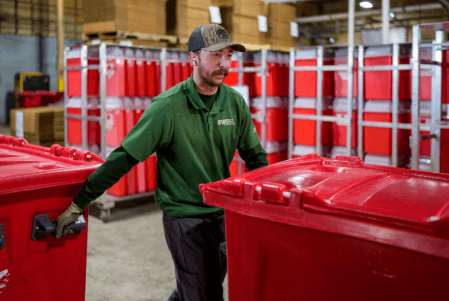
Virginia Medical Waste Disposal: Safe, Compliant, and Efficient Solutions

Introduction to Medical Waste Management in Virginia
Proper handling of healthcare waste is essential for protecting public health and the environment. In the United States, each state has strict regulations to ensure that medical waste is collected, treated, and disposed of safely. In the state of Virginia, medical waste disposal is governed by both federal and state-level environmental and health regulations. These rules are designed to minimize risks associated with infectious materials, sharps, pharmaceuticals, and other hazardous healthcare waste.
Whether you operate a hospital, dental clinic, laboratory, veterinary practice, or home healthcare service, understanding Virginia medical waste disposal requirements is crucial for compliance and safety.
What is Medical Waste?
Medical waste, also known as biomedical or healthcare waste, refers to any material generated during medical diagnosis, treatment, or immunization of humans or animals. It may also come from research activities involving biological testing.
Common types of medical waste include:
- Infectious waste (bandages, gloves, contaminated materials)
- Sharps (needles, scalpels, lancets)
- Pathological waste (tissues, organs, body fluids)
- Pharmaceutical waste (expired or unused medications)
- Chemical waste (disinfectants, solvents)
- Laboratory waste (cultures, specimens)
Improper disposal of these materials can lead to contamination, disease transmission, and environmental damage.
Virginia Regulations for Medical Waste Disposal
Virginia follows strict guidelines under the Virginia Department of Environmental Quality (DEQ) and the Department of Health. Facilities generating medical waste must comply with the Virginia Regulated Medical Waste Management regulations.
Key regulatory requirements include:
1. Proper Segregation
Medical waste must be separated at the point of generation. Sharps must go into puncture-resistant containers, while infectious waste must be placed in red biohazard bags.
2. Secure Packaging and Labeling
All medical waste containers must be clearly labeled with biohazard symbols and securely sealed to prevent leakage or exposure.
3. Storage Guidelines
Waste must be stored in designated areas that are secure, ventilated, and inaccessible to the public. Storage duration is also regulated to prevent health risks.
4. Transportation Compliance
Only licensed medical waste transporters are allowed to move regulated waste. Vehicles must meet safety standards and maintain proper documentation during transit.
5. Treatment and Disposal
Medical waste must be treated using approved methods such as autoclaving, incineration, or chemical disinfection before final disposal in approved facilities.
Importance of Proper Medical Waste Disposal in Virginia
Proper disposal is not just a legal requirement—it is a critical public health responsibility. Poor handling of medical waste can lead to:
- Spread of infectious diseases
- Injury from contaminated sharps
- Environmental pollution
- Legal penalties and fines
- Damage to healthcare facility reputation
Healthcare providers in Virginia must ensure compliance to protect patients, staff, and the surrounding community.
Types of Medical Waste Disposal Methods
Several disposal methods are used depending on the type of waste:
1. Autoclaving
This process uses high-pressure steam to sterilize infectious waste, making it safe for landfill disposal.
2. Incineration
Incineration burns waste at high temperatures, destroying pathogens and reducing waste volume significantly.
3. Chemical Treatment
Certain liquid wastes and laboratory materials are treated with disinfectants to neutralize harmful microorganisms.
4. Encapsulation
Sharps waste is often encapsulated in a solid material before being safely disposed of.
Choosing a Medical Waste Disposal Service in Virginia
Selecting a reliable disposal company is essential for compliance and safety. When choosing a provider, consider the following factors:
- State licensing and certifications
- Experience in handling healthcare waste
- Compliance with Virginia DEQ regulations
- Secure transportation services
- Transparent pricing and documentation
- Reliable pickup schedules
A professional waste management provider helps healthcare facilities reduce risk and maintain regulatory compliance.
Best Practices for Healthcare Facilities
Healthcare providers can improve safety and efficiency by following best practices such as:
- Training staff on proper waste segregation
- Regularly auditing waste management procedures
- Using clearly labeled and color-coded containers
- Maintaining detailed disposal records
- Scheduling timely waste pickups to avoid overstorage
These practices not only ensure compliance but also improve operational efficiency.
See also: Trusted Business Line 0120822267 Professional Tech Support
Environmental Impact of Medical Waste Disposal
Responsible medical waste management plays a major role in environmental protection. Improper disposal can contaminate soil and water sources, while proper treatment reduces pollution and supports sustainability efforts.
Virginia continues to encourage healthcare providers to adopt eco-friendly disposal technologies and reduce waste generation whenever possible.
Conclusion
Medical waste disposal in Virginia is a highly regulated process designed to protect public health and the environment. Healthcare facilities must follow strict guidelines for segregation, storage, transportation, and treatment of hazardous waste. By working with licensed disposal providers and implementing best practices, organizations can ensure full compliance and contribute to a safer, cleaner community.
Proper Virginia medical waste disposal is not just about meeting regulations—it is about responsible healthcare management and environmental stewardship.